Subtitles or Dubbing? Choosing What You Want to Hear
Subtitles or dubbing changes where attention goes and how voices reach you. Choose the track that suits the details you want from this particular watch.
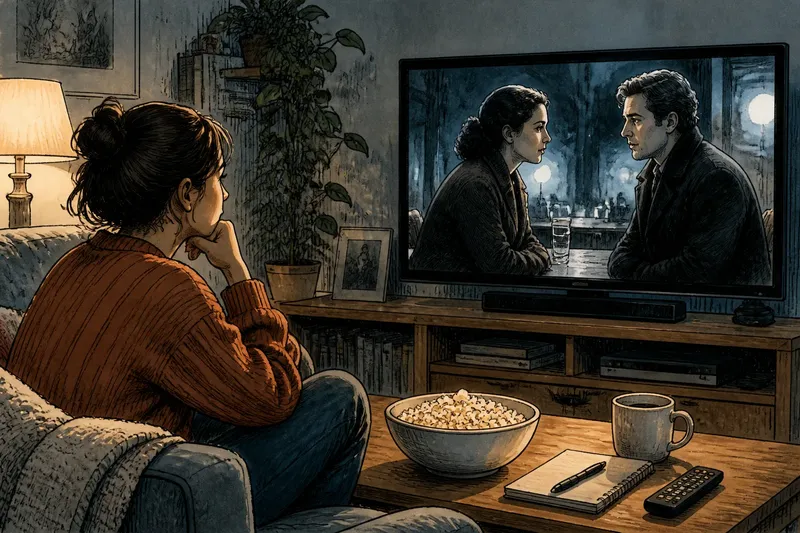
Subtitles or dubbing can change what you notice in the same film: subtitles ask your eyes to travel between text and image, while dubbing gives the translated dialogue a voice in the soundtrack. The better choice depends less on a general rule about authenticity than on what you want to hear, watch or follow during this particular viewing.
What changes when you choose subtitles or dubbing?
With subtitles, the original recorded voices remain audible. You hear their timing, pitch, hesitations and emotional shifts, even if the words are unfamiliar. The translated text supplies meaning, but it cannot carry every quality of the spoken performance.
Dubbing replaces the dialogue track with translated speech performed in another language. That can make the conversation easier to follow without reading, but the voices reaching you are newly performed ones. The original actors’ vocal choices are no longer available in the same way.
The two options also direct attention differently. Subtitles place information at the bottom of the image, so reading becomes part of watching. Dubbing leaves the image free of dialogue text, while asking you to accept voices that may not match every movement or vocal quality on screen.
Which option keeps your eyes on the picture?
Dubbing usually suits a watch where visual details matter more than hearing the original performances. If you want to notice a character’s expression during a conversation, or keep track of several people moving through a crowded scene, not having to read dialogue may help.
Subtitles do not make visual attention impossible, but they do divide it. A quick line, a name, or a joke can draw your eyes down just as someone on screen reacts. If the film depends on small visual changes, that shift may be noticeable.
The effect varies with the film and the viewer. A slow exchange with short lines leaves more room to read than rapid dialogue over a busy image. Some viewers also read at a glance; others prefer time to take in each line. There is no need to turn that difference into a contest.
What do you hear in the original voices?
Choose subtitles if the original vocal performances are part of what you want from the film. A character’s warmth, restraint or irritation can come through in the voice even when you rely on translated text for the words. This is especially useful when shifts in delivery help distinguish relationships or changing moods.
That does not make dubbing a lesser form of access. A dub is a performed version of the dialogue, not merely text read aloud, and some viewers follow speech more comfortably than subtitles. If the purpose of this watch is to stay with the scene rather than attend closely to the original vocal texture, a dub may be the more direct option.
It is also possible to prefer different tracks for different films, or even for different visits to the same film. Hearing the original voices once and choosing a dub later can answer two different interests: how the performers sound, and how the story feels when dialogue reaches you without reading.
Are subtitles a distraction, or is dubbing a compromise?
Neither description is universally fair. Subtitles can interrupt attention when lines arrive quickly or sit over important action, but they can also be easy to absorb when the dialogue is sparse. Dubbing avoids that reading task, though a translated performance may feel less connected to the visible actor’s voice.
Translation itself has to make choices in either format. Subtitle writers work within the space and reading time available; dub performers work with spoken rhythm and the timing of the scene. Neither version can carry every feature of the original dialogue unchanged, and neither should be treated as a transparent window.
Say you are watching a quiet drama with a conversation that turns on a barely controlled laugh. If hearing the original actor make that turn is your main interest, subtitles are likely to serve you better; if you want to watch the other character’s face without leaving it to read, a dub may suit that viewing. The expected difference is where your attention goes, not a verdict on which version is superior.
Which should you choose for this particular watch?
Start with the thing you most want to notice. If it is the original cast’s voices, choose subtitles. If it is the image, or simply following speech without reading, try dubbing.
- Choose subtitles when vocal tone and timing matter to you.
- Choose dubbing when reading would pull you away from important visual details.
- Choose subtitles when you are comfortable reading at the film’s pace.
- Choose dubbing when speech is easier for you to follow than on-screen text.
- Try the other track on a later viewing if you want a different kind of attention.
For a first viewing, consider what would be most frustrating to miss. If you would regret losing a subtle vocal performance, keep the original voices. If you would rather not look down during a crucial exchange, choose the dub.
It is not worth spending the opening scene repeatedly switching tracks in search of a perfect setting. Pick the option that fits your reason for watching, then change it only if the choice is plainly getting in the way.
What should you check before pressing play?
Streaming menus and disc releases may offer several language tracks, subtitle styles and accessibility options. Check the labels for the language and track you actually want; a subtitle option may translate dialogue only, or include additional descriptions of sounds. Available choices vary by release.
If a film offers both translated subtitles and subtitles for the dubbed dialogue, do not assume they will match line for line. They may have been prepared for different purposes, such as fitting a reading pace or matching spoken phrasing. For a watch focused on comparing wording, note which track is active before you draw conclusions.
Can you change your mind after the film starts?
Usually, the player lets you change audio or subtitle settings during playback, though the menu differs between services and devices. If you switch, give the new track a little time before judging it; a change in voices or reading rhythm can feel conspicuous at first.
The most useful choice of subtitles or dubbing is the one that serves this viewing, not an identity you need to defend. Let the film’s voices, images and your own attention decide what you want to hear this time.